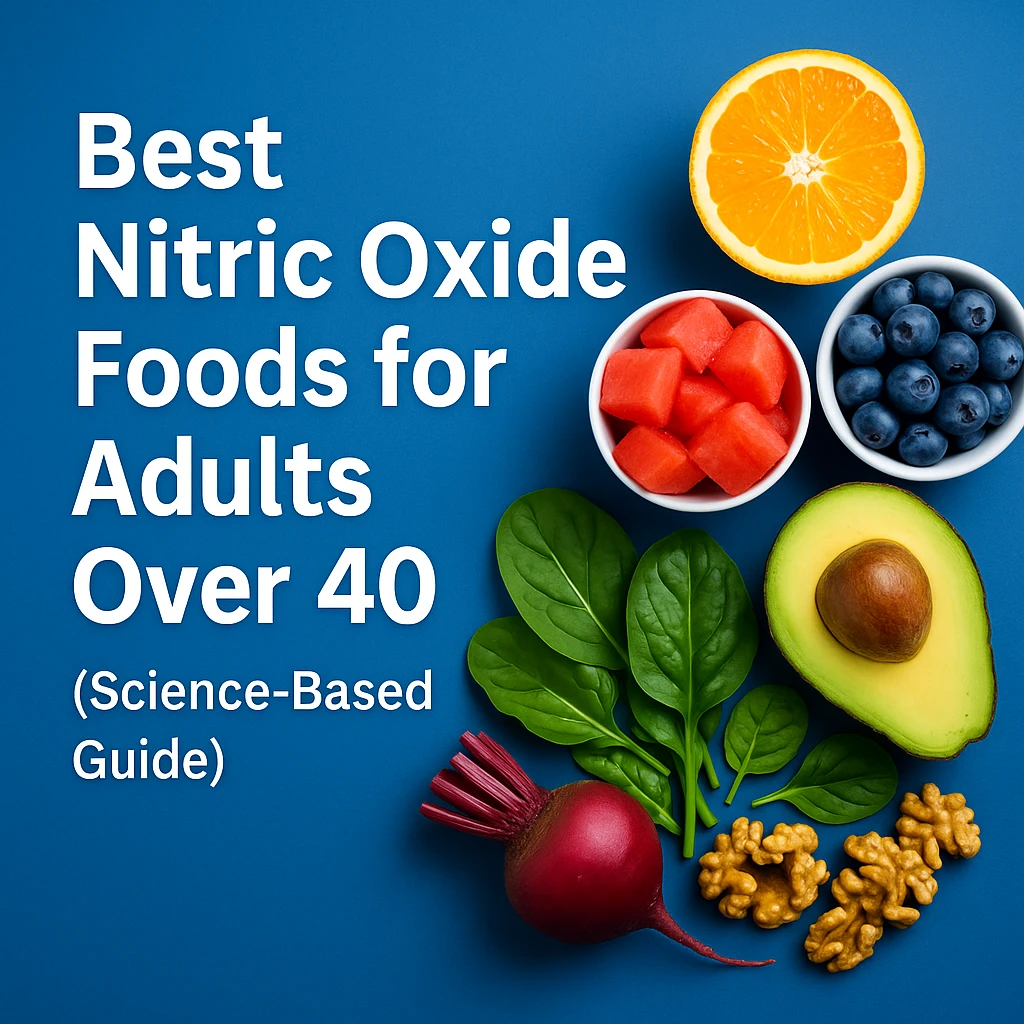
Discover the best nitric oxide foods –supporting foods for adults over 40. Learn how leafy greens, beets, citrus fruits, antioxidants, and nitraterich vegetables naturally support healthy circulation and vitality. Sciencebased and wellnessfocused.
Introduction
As adults enter their 40s, 50s, and beyond, it’s common to become more aware of changes in energy, circulation, stamina, and overall vitality. While many lifestyle factors contribute to these shifts, scientific literature frequently highlights one molecule with a major role in vascular health: nitric oxide (NO).
Nitric oxide is involved in healthy blood flow, oxygen transport, nutrient delivery, and cellular communication. Because natural NO production can gradually decline with age, many people begin exploring foods that help support these pathways.
This guide breaks down the best nitric oxide–supporting foods for adults over 40, backed by scientific observations and public research.
(Not medical advice. Educational only.)
Why Best Nitric Oxide Foods Matters After Age 40
Research shows that nitric oxide production may decrease gradually due to:
reduced enzyme efficiency (eNOS)
lower dietary nitrate intake
a more sedentary lifestyle
agerelated vascular changes
stress, sleep quality, and environmental factors
This makes nutrientrich foods particularly valuable for adults seeking to support healthy circulation and natural vitality.
How Best Nitric Oxide Foods Help Support Nitric Oxide Naturally
The body uses two main pathways to produce nitric oxide:
- The Nitrate–Nitrite–Nitric Oxide Pathway
Powered largely by leafy greens and nitraterich vegetables.
- The Arginine–Citrulline Pathway
Supported by the amino acids Larginine and Lcitrulline found in various foods.
A balanced diet containing both categories provides strong, natural support for nitric oxide production.
The Best Nitric Oxide Foods for Adults Over 40
- Beetroot (Raw, Cooked, or Powder)
Why it helps:
Beets are one of the highest natural sources of dietary nitrates, which the body converts into nitric oxide.
Benefits for Best Nitric Oxide Foods for adults over 40:
supports circulation
promotes natural vasodilation through nitrate pathways
provides antioxidants that help protect NO molecules
How to use:
beetroot juice shots
roasted beets
beet powder added to smoothies
- Spinach
Why it helps:
Spinach is extremely nitratedense and easy to incorporate into daily meals.
Additional nutrients:
magnesium
iron
vitamin C
plantbased antioxidants
These nutrients indirectly support vascular wellness and overall vitality.
- Arugula (Rocket Salad)
Arugula contains some of the highest nitrate concentrations per gram of any leafy green.
Why adults over 40 benefit from it:
supports the nitrate → nitric oxide conversion pathway
light, easily digestible, and ideal for everyday meals
- Celery and Celery Leaves
Celery offers a strong nitrate profile plus hydration, which supports overall vascular function.
Best ways to eat:
fresh salads
juicing
adding chopped celery to soups or stews
- Lettuce (Especially Romaine and Butterhead)
Often overlooked, lettuce is one of the richest nitrate sources available.
Why it matters:
It’s simple, accessible, and ideal for people who prefer mildtasting vegetables.
Amino Acid–Rich Foods That Support Nitric Oxide
- Watermelon (LCitrulline Source)
Watermelon contains Lcitrulline, an amino acid that contributes indirectly to nitric oxide production.
Why adults over 40 choose it:
Citrulline is gentle on digestion and efficiently supports NO pathways over time.
- Nuts and Seeds
Especially:
walnuts
almonds
pumpkin seeds
flaxseeds
These provide plantbased Larginine and healthy fats, which support vascular function.
- Legumes
Beans, chickpeas, and lentils offer plant proteins and natural Larginine.
Additional support:
fiber
minerals
slowrelease carbohydrates
Legumes contribute to overall metabolic health, which indirectly supports nitric oxide pathways.
Citrus Fruits and Antioxidant Rich Foods
- Oranges, Lemons, and Grapefruit
High in vitamin C, which helps protect NO molecules from oxidative breakdown.
Why Best Nitric Oxide Foods it’s Important:
Nitric oxide is short lived. Antioxidants help maintain its availability in the body.
- Berries (Blueberries, Strawberries, Blackberries)
Packed with polyphenols that support vascular wellness and cellular communication.
These antioxidants complement nitrate rich vegetables perfectly.
- Pomegranate
Often discussed in scientific literature for its effects on blood flow and antioxidant protection.
Why adults over 40 love it:
It’s nutrientdense and supports various vascular pathways.
Healthy Fats and Plant Oils
- Avocado
Rich in healthy monounsaturated fats that support natural vascular flexibility.
- Olive Oil (ColdPressed)
Provides polyphenols that complement nitric oxide pathways and help maintain cell membrane health.
Herbs and Spices With CirculationSupportive Properties
- Garlic
Contains allicin, which is associated with natural vasodilation mechanisms.
- Ginger and Turmeric
Wellknown for antioxidant and circulatory support.
- Cocoa (Dark Chocolate 70%+)
Rich in flavanols, which support vascular signaling.
Foods That Support the Oral Microbiome (Very Important!)
The nitrate → nitrite → nitric oxide pathway depends on specific oral bacteria.
Avoiding harsh mouthwashes and adding these foods may help:
yogurt with live cultures
kefir
fermented vegetables (sauerkraut, kimchi)
fresh herbs
A healthy oral microbiome = more efficient nitric oxide production.
Sample Daily Meal Ideas (Nitric Oxide–Friendly)
Option 1 — Quick Day Plan
Breakfast: Greek yogurt + berries
Lunch: Arugula & spinach salad + beet slices
Snack: Watermelon or citrus
Dinner: Lentil soup + side of steamed greens
Option 2 — HighNitrate Boost
Beetroot smoothie with lemon
Spinach omelette
Roasted vegetables with olive oil
Dark chocolate square for dessert
Balancing Expectations (Important)
Nitric oxide–supporting foods:
✔ contribute to natural vascular wellness
✔ are backed by scientific interest
✔ are easy to integrate into daily meals
✔ support overall vitality over time
But they are not a cure, treatment, or medical intervention.
Diet, sleep, hydration, and an active lifestyle all work together with nutrition.
Conclusion
For adults over 40, incorporating nitrate rich vegetables, aminoacid–based foods, berries, citrus, healthy fats, and antioxidant dense ingredients can naturally support the body’s nitric oxide pathways.
By choosing a balanced, nutrient rich diet and maintaining consistent lifestyle habits, individuals can support circulation, energy, and overall vitality in a natural and sustainable way.